
Hair loss in men is incredibly common, but for me, it was a personal battle I dealt with for years.
I never felt like I had the hair I wanted or the confidence that came with having a haircut I actually liked. My widow’s peak was something I became very aware of, and it affected how I saw myself.
On the outside, I was always “fine” — I would still go out, socialise, and get on with life. But behind the scenes, there were moments before going out where I would feel frustrated, overthink how my hair looked, and it would genuinely affect my confidence.
It wasn’t until I had a hair transplant at 36 that I really noticed a great deal of shedding due to a relationship ending that pushed me to go ahead. I finally felt I had the hair I had always wanted six months later. The impact was life-changing. It wasn’t just about having more hair — it was about feeling comfortable with my appearance and no longer thinking about it every time I looked in the mirror.
A hair transplant can be an incredible solution for the right person, provided you have suitable donor hair and realistic expectations. However, something many people don’t realise is that a transplant is not the end of the journey.
You still need to maintain your hair.
Even after a successful transplant, the natural hair around the transplanted area can continue to thin over time, particularly if you are genetically predisposed to hair loss. The follicles that are already weakening don’t suddenly stop ageing because you have restored the hairline.
That is why prevention, maintenance, and long-term hair health are so important.
For me personally, I noticed periods of increased shedding during stressful times in my life, including after relationship break-ups. Whether caused by stress, genetics, or a combination of factors, it highlighted how much our hair can be connected to our overall wellbeing.
The reason my transplant has remained effective years later is that I still had active follicles and a foundation of hair that could be supported. The transplant restored what I had lost, but maintaining the surrounding hair has been just as important. One of the best decisions of my life.
At MAPT, I believe hair confidence is not about a quick fix. It is about understanding your hair, protecting what you have, and creating a long-term plan to support healthy, confident results. Hair transplant clinics do just use a ‘fix’ approach, and therefore I would highly recommend you speak to someone who understands the process and hair.
What Causes Male Hair Loss?
The most common cause of male hair loss is androgenetic alopecia, a genetic sensitivity to dihydrotestosterone (DHT). Over time, DHT causes hair follicles to shrink, leading to thinner, shorter, and weaker hair growth until follicles eventually stop producing visible hair.
However, genetics is not the only factor. Other contributors can include:
Scalp inflammation
Stress and elevated cortisol levels
Poor circulation to the scalp
Nutritional deficiencies
Lifestyle factors such as sleep quality and recovery
In most cases, it is a combination of genetic and environmental factors rather than a single cause. Early signs of hair loss in men typically follow predictable patterns. The earliest signs often include:
Gradual recession at the temples (M-shaped hairline)
Thinning at the crown (vertex)
Increased shedding in the shower or on pillows
Reduced hair density when styling
Hair feeling finer or weaker than before
These changes are often subtle at first and can then progress slowly over the years.
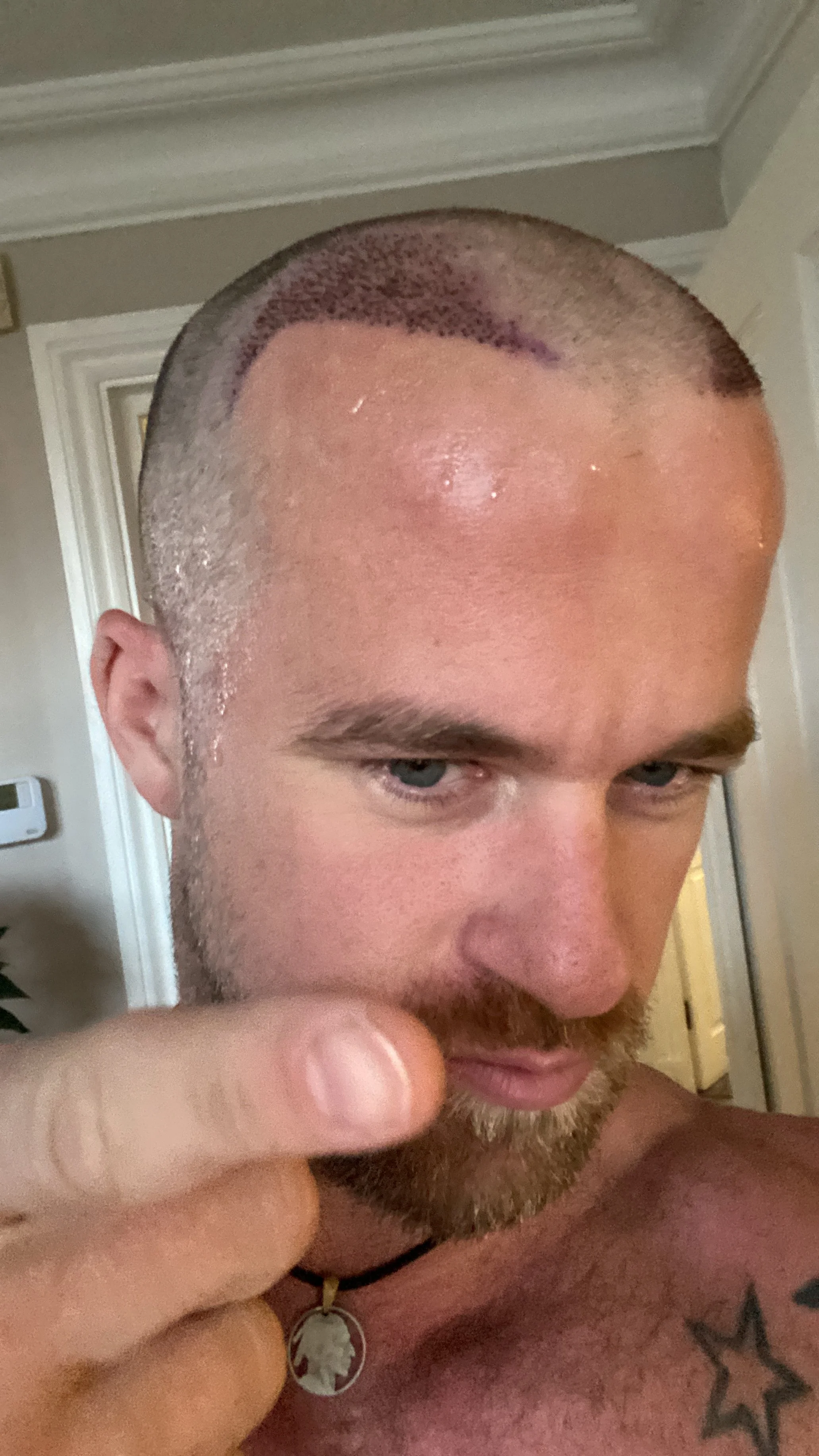
2,500 hair follicle transplant
What Actually Works for Hair Loss?
There is no single solution for male hair loss. The most effective approach is usually a combination of regenerative and scalp-focused treatments.
Scalp Health: Shampoo & Microneedling
A healthy scalp has to be the foundation on which you start to treat. Cleansing the scalp first is a good way to lay the foundation. Then microneedling creates controlled micro-injuries in the scalp, stimulating blood flow and growth factor activity. This helps improve the environment around the hair follicle.
Polynucleotides: Plinest Hair
Polynucleotides support tissue repair and cellular regeneration within the scalp. They help improve skin quality, hydration, and the biological environment required for healthy hair growth. Adding a course of treatments sets the follicles for success
Exosome Therapy: Salmon DNA
Exosomes deliver signalling molecules that support cellular communication and regeneration. In hair restoration, they are used to help optimise follicle activity and scalp recovery.
Combination Treatment Plans
The best outcomes are typically seen when treatments are combined and tailored to the individual. For example:
Microneedling + polynucleotides
Scalp health optimisation + regenerative injections
Lifestyle and inflammatory control alongside clinical treatment
Hair restoration is a process, not a single procedure and requires MAINTANENCE for life.
The MAPT Approach
At MAPT, I take a structured, clinical approach to hair loss:
Scalp and hair assessment
Identification of hair loss stage
Personalised regenerative treatment plan
Long-term maintenance strategy
I focus on improving scalp health and supporting the body’s natural repair processes rather than relying on single-treatment solutions.
Summary
Male hair loss is common, but it does not have to be accepted without intervention. With the right approach, it is possible to slow progression, improve scalp health, and support stronger, healthier hair over time.
Early action provides the best chance of meaningful improvement. If you can prevent it, then why not? Regenerative medicine has come a long way, which means we are more advanced in ageing and prevention. I don’t see a negative with that, personally.
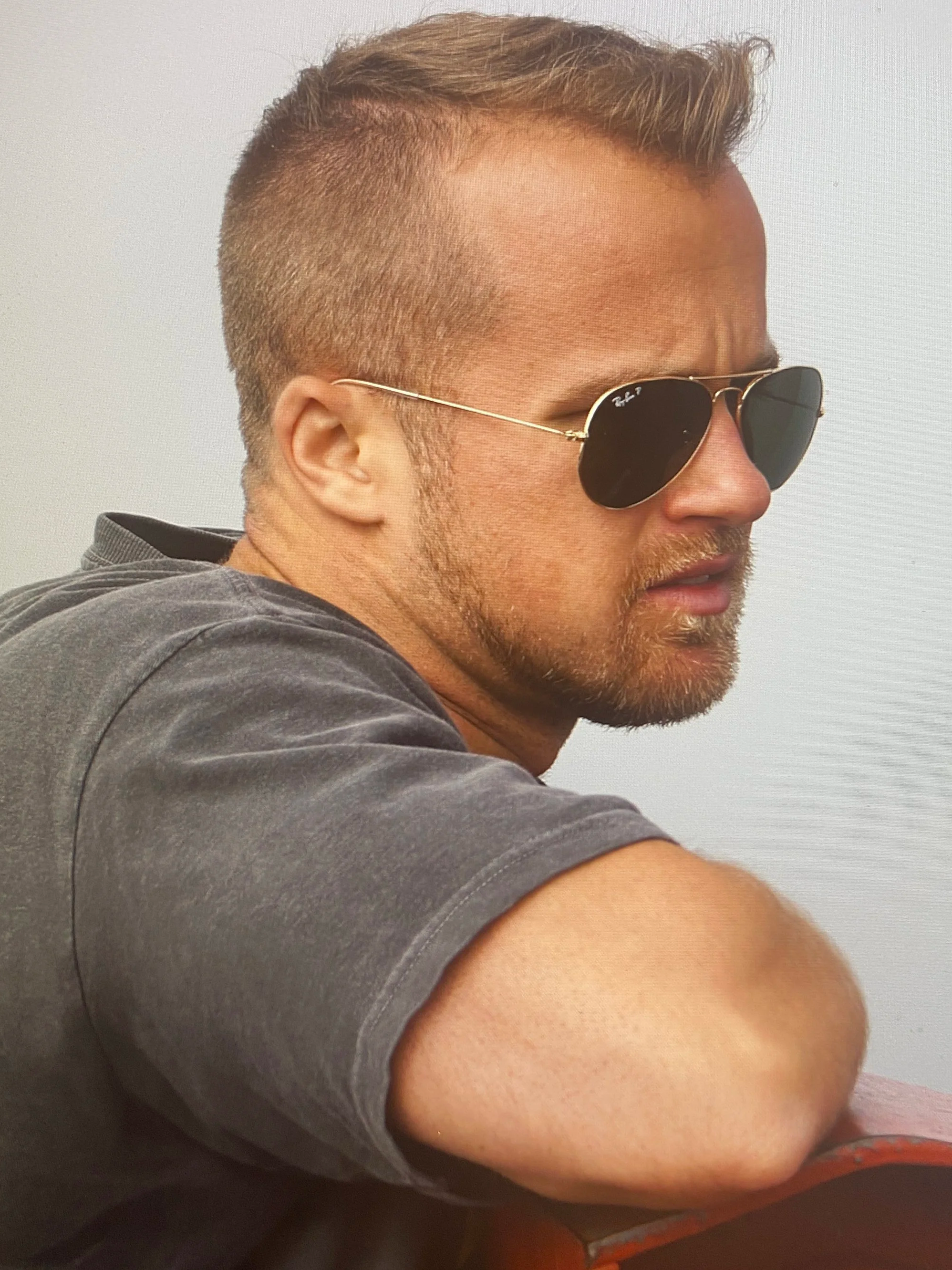
Age 26: Early signs
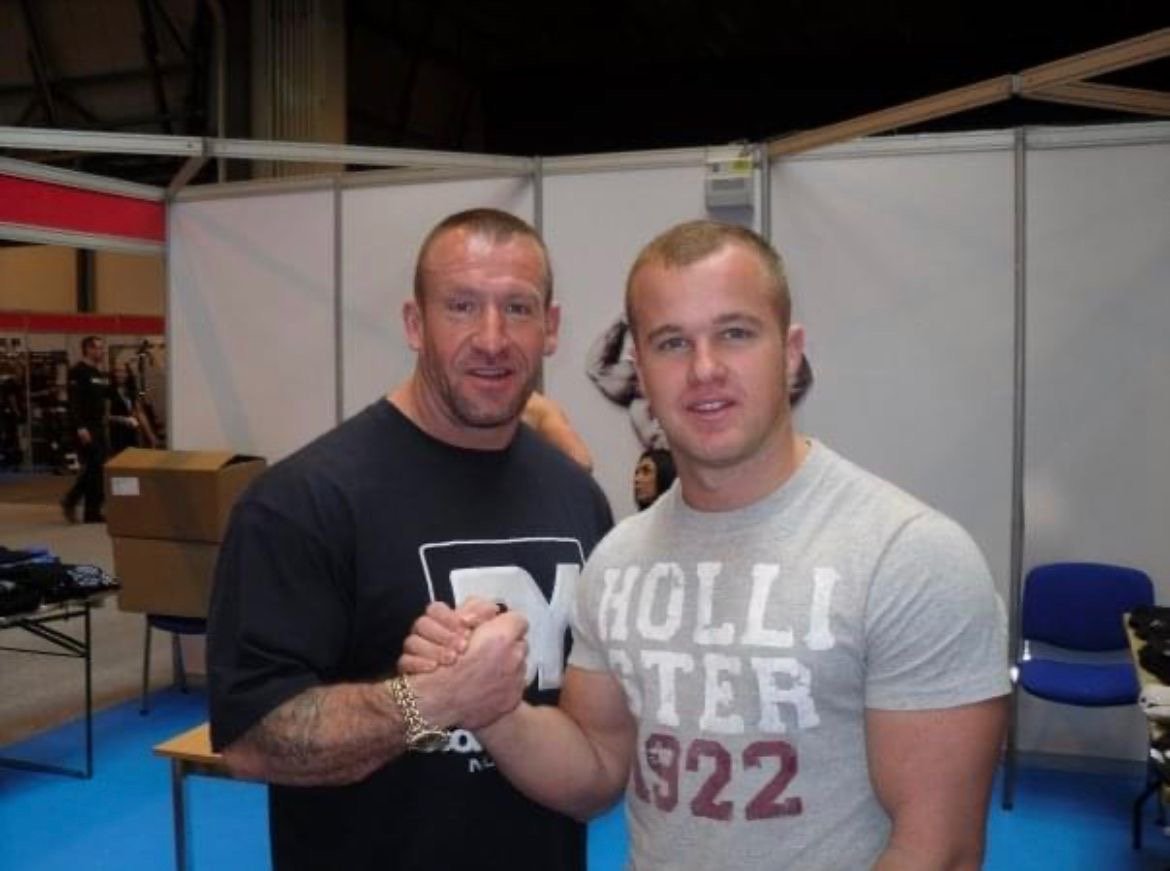
High widow peak at 21
Why Early Intervention Matters
Hair loss is easier to slow and manage than to reverse once it's advanced.
In the early stages, follicles are often still active but miniaturising. This means they can potentially be supported and stimulated before complete inactivity occurs.
Once follicles have fully shut down, treatment options become more limited or harder. That’s when hair transplants can work in your favour, or recent treatments like Salmon DNA Exosomes, which have been proven in some individuals to grow baby hair back into healthy hair again.